Few accusations against the Catholic Church are repeated more confidently than this one:
“The Catholic Church removed the Second Commandment about graven images to justify statues, then split the Tenth Commandment to keep the number at ten.”
It sounds serious.
It sounds convincing.
It sounds scandalous.
But it is not true.
This claim falls apart once you examine Scripture, history, and how the Ten Commandments have been understood for centuries.
Let’s walk through it clearly and calmly.
The Bible Gives the Commandments, But Does Not Number Them
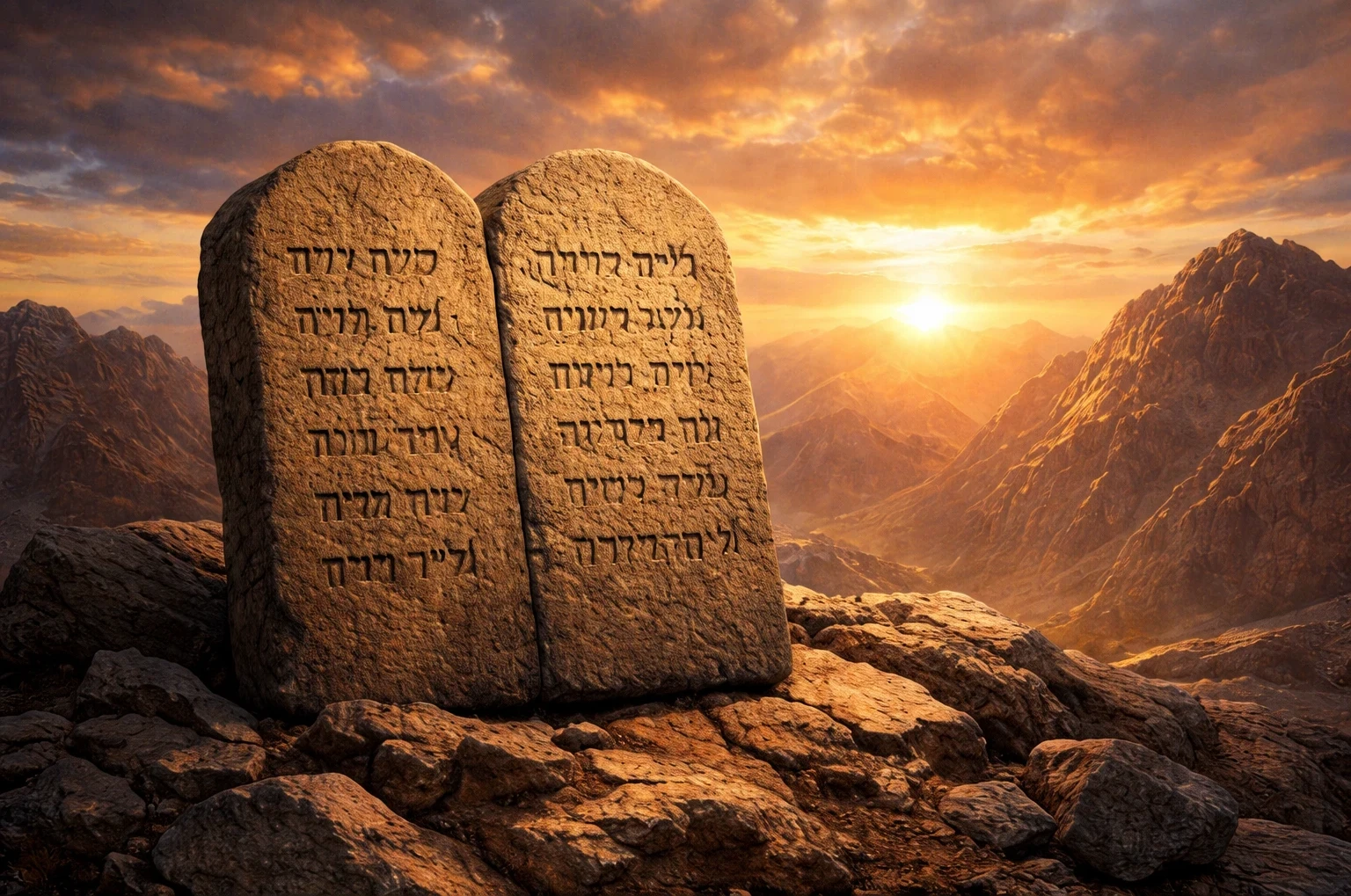
The Ten Commandments appear in Book of Exodus 20:1 to 17 and Book of Deuteronomy 5:6 to 21.
In Book of Exodus 34:28, Scripture calls them the “ten words.”
But nowhere does the Bible label them:
- First Commandment
- Second Commandment
- Third Commandment
Those numbers were added later as teaching tools.
That means every Jewish and Christian tradition must organize the text into ten commandments. The debate is about grouping, not deleting words from Scripture.
The Catholic Numbering Is Ancient
The Catholic Church follows an ancient Western tradition used long before the Protestant Reformation.
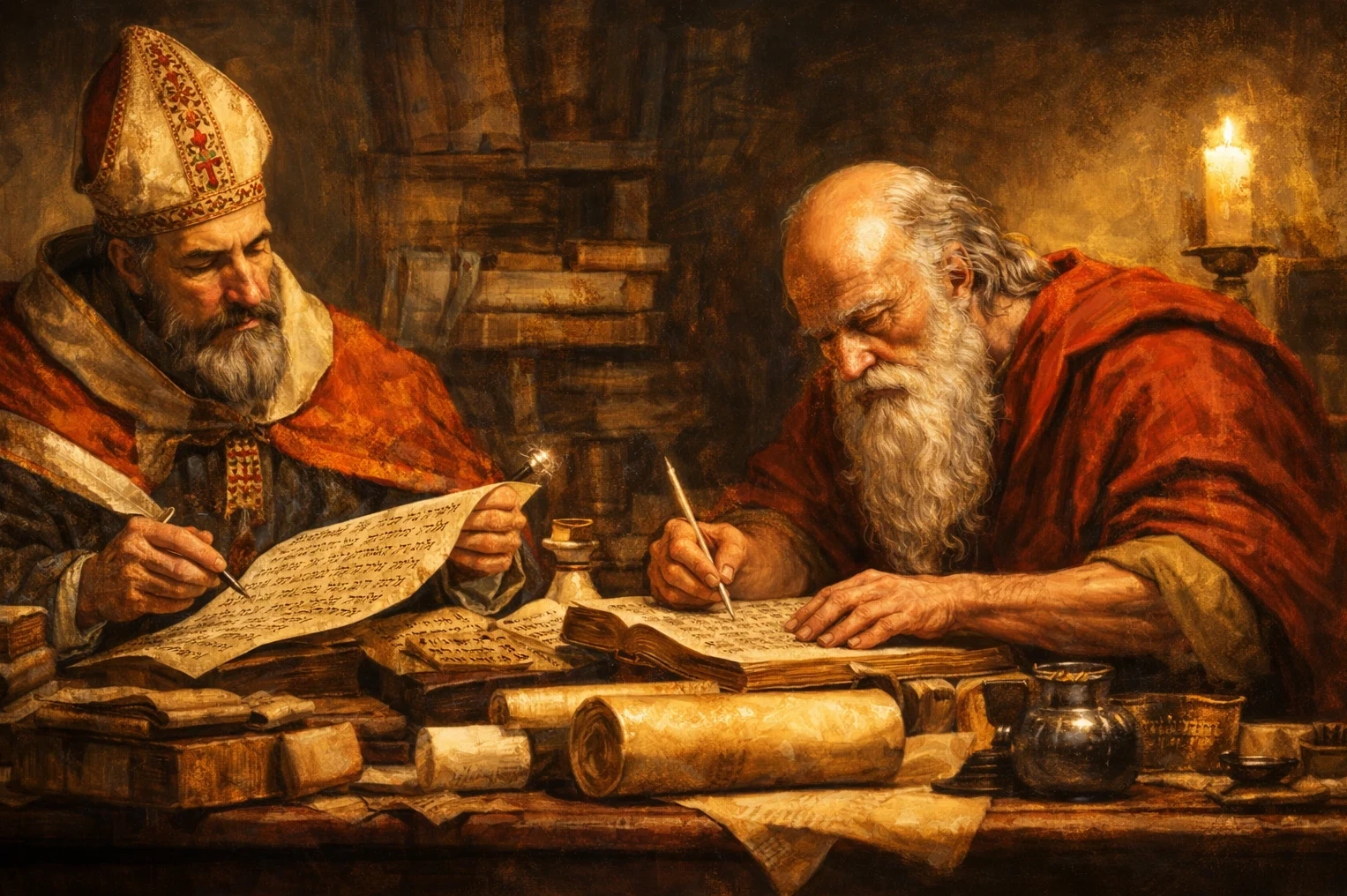
This numbering was taught by figures such as:
- Saint Augustine of Hippo
- Saint Jerome
In this tradition:
- “You shall have no other gods before me” and the warning against idols are treated together as one commandment.
- The command against coveting is divided into two parts.
This was not invented to defend statues. It was already established over a thousand years before the Reformation.
What Does the Graven Images Passage Actually Forbid?
The key text says:
“You shall not make for yourself a carved image… you shall not bow down to them or serve them.”
Exodus 20:4 to 5
Notice the full context.
The command is not a blanket ban on all images. It condemns making images as idols and worshipping them.
That is why the passage begins with:
“You shall have no other gods before me.”
The issue is false worship.
Ancient pagans commonly worshipped carved idols. The commandment rejects that practice.
If All Religious Images Were Sinful, Why Did God Command Some?
This point is often ignored.
God Himself commanded sacred images:
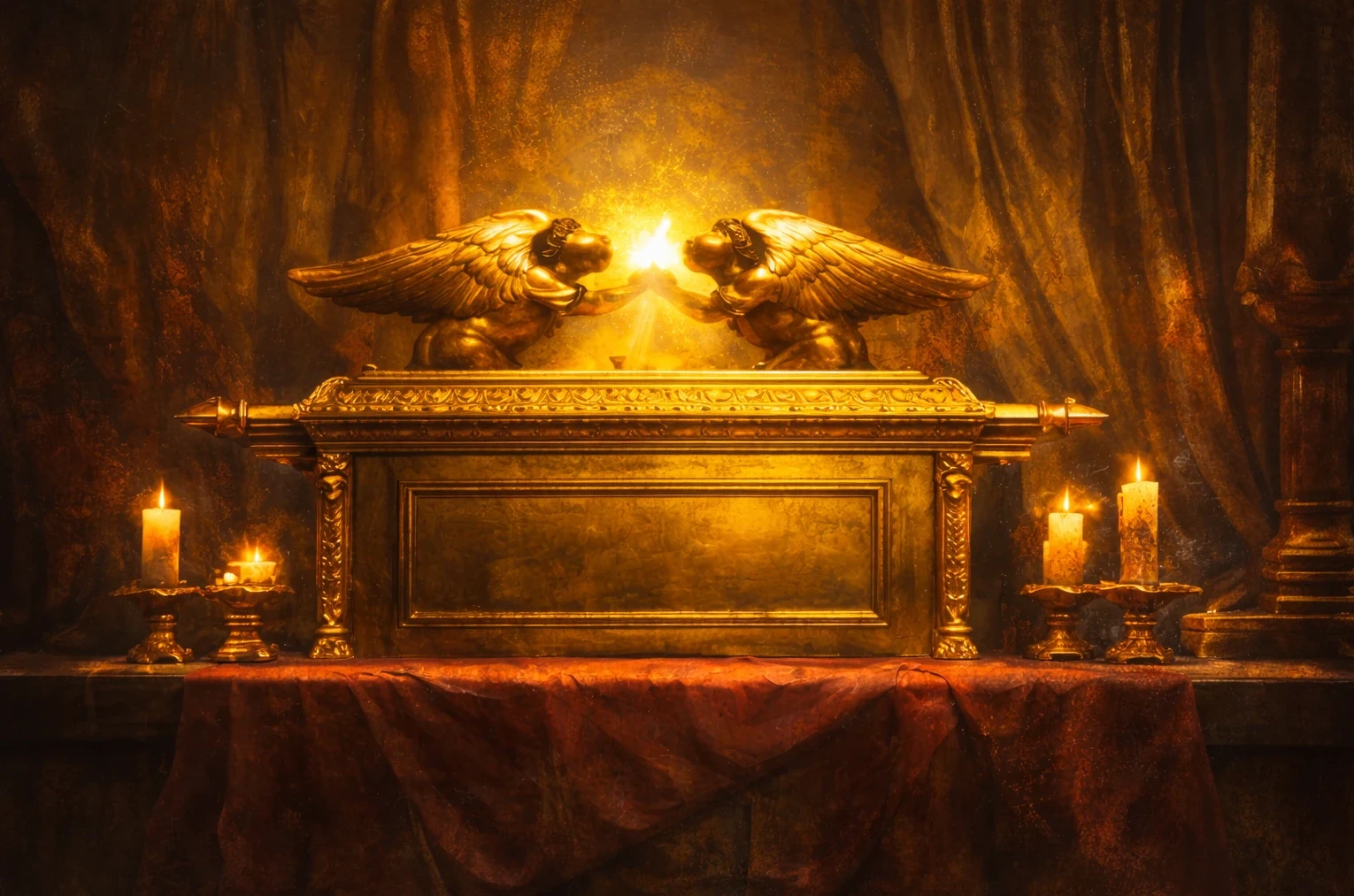
- Cherubim on the Ark of the Covenant in Book of Exodus 25:18 to 20
- Temple carvings of angels, palm trees, and other imagery in First Book of Kings 6 to 7
So clearly, the Bible does not forbid every image.
What it forbids is idolatry.
That distinction matters.
The Golden Calf Shows the Real Sin
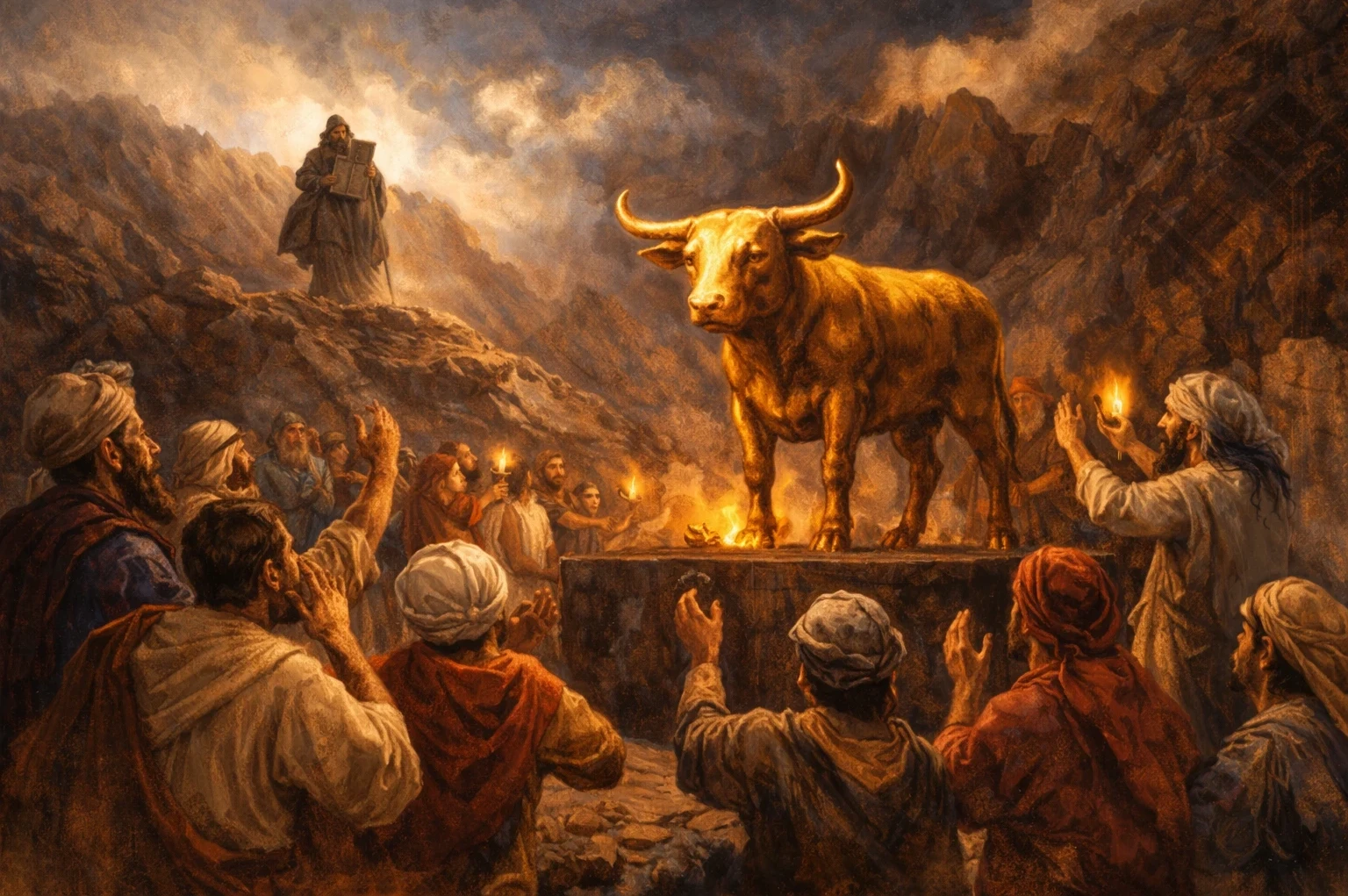
In Book of Exodus 32, Israel made the golden calf.
Why was that sinful?
Not because they shaped metal.
Not because they made art.
Not because they used symbolism.
It was sinful because they worshipped it and treated it as divine.
They said:
“This is your god, O Israel.”
That is idolatry.
Catholics Do Not Worship Statues
This is where many misunderstandings begin.
Catholic teaching distinguishes between:
- Latria: worship given to God alone
- Dulia: honor given to saints
- Hyperdulia: special honor given to Mary, mother of Jesus
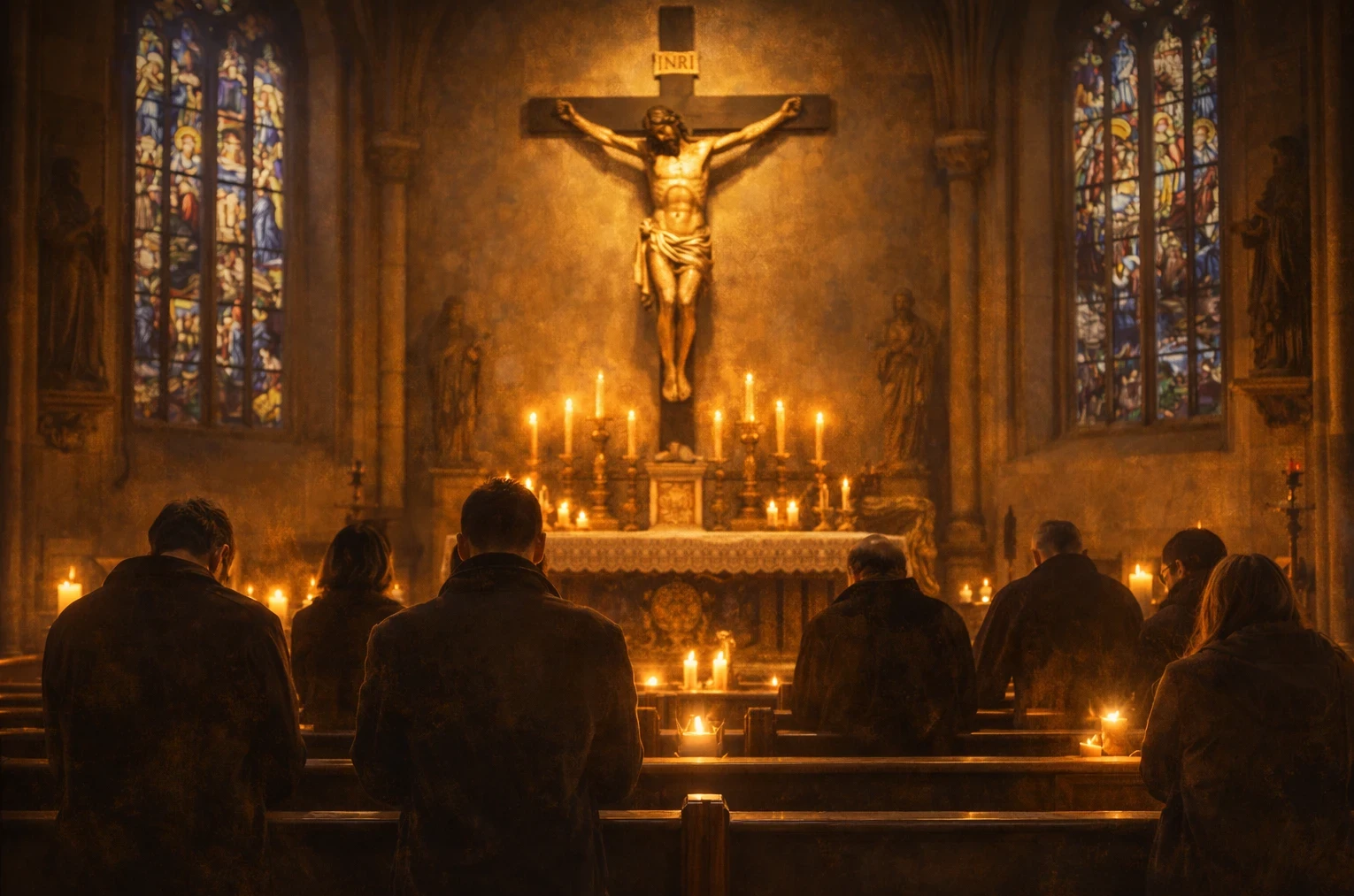
A statue is not a god. A statue is a reminder of a real person.
Just as people keep photos of loved ones, Christians have long used sacred images to remember Christ, the saints, and the truths of the faith.
The Catholic Church condemns idolatry and always has.
Why Split the Command Against Coveting?
Catholic tradition separates:
- Ninth Commandment: do not covet your neighbor’s wife
- Tenth Commandment: do not covet your neighbor’s goods
Why?
Because Scripture distinguishes between two different interior sins:
- Lustful desire for a person
- Greedy desire for possessions
Both are wrong, but they are not identical.
Other traditions group them differently. That is a teaching structure issue, not a conspiracy.
What All Christians Agree On
Every major Christian tradition affirms:
- The full text of Book of Exodus 20
- Idolatry is sinful
- Coveting is sinful
- God alone deserves worship
So the claim that Catholics “removed” a commandment is historically false and misleading.
Why This Still Matters Today
Modern idolatry rarely looks like golden statues.
Today idols often look like:
- money
- power
- status
- politics
- pleasure
- self
Anything placed above God becomes an idol.
The First Commandment is still alive and urgent.
The Bottom Line
The Catholic Church did not remove the Second Commandment.
It follows an ancient numbering tradition that groups the prohibition against idols within the command to worship God alone.
The biblical text remains intact.
Idolatry remains condemned.
Sacred art remains distinct from worship.
The real issue is not whether Catholics removed a commandment.
They did not.
The real issue is whether critics have taken time to understand history, Scripture, and Catholic teaching before repeating the charge.