John 20:23 is one of the most debated verses in the New Testament. For Catholics and Orthodox Christians, it is foundational to the sacrament of confession. For many Protestants, however, the verse is interpreted very differently.
A common Protestant interpretation argues that Jesus did not give the apostles authority to forgive sins. Instead, they believe the apostles were simply commissioned to preach the Gospel and declare forgiveness based on whether people accept or reject the message.
But does that interpretation actually follow the text?
Let’s examine the passage carefully, look at its biblical context, and explore how the earliest Christians understood it.
The Passage in Context
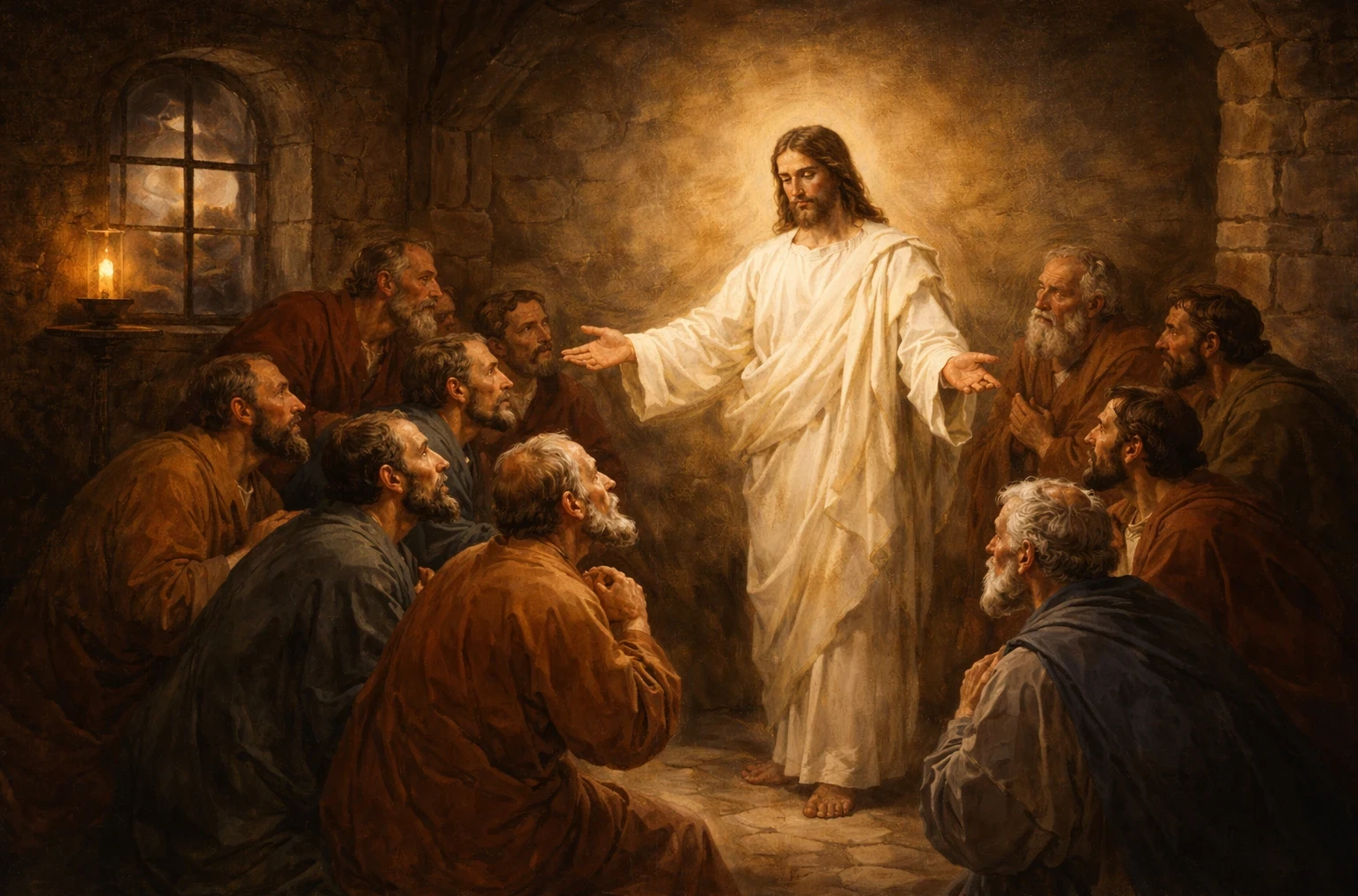
After the Resurrection, Jesus appears to the apostles in the locked upper room and says:
“Peace be with you. As the Father has sent Me, I also send you.”
And when He had said this, He breathed on them and said, “Receive the Holy Spirit.
If you forgive the sins of any, they are forgiven them; if you retain the sins of any, they are retained.”
— John 20:21–23
The sequence is crucial:
- Jesus sends the apostles as the Father sent Him
- He breathes the Holy Spirit on them
- He gives authority to forgive or retain sins
The entire debate hinges on one key phrase:
“As the Father has sent Me, I also send you.”
To understand what Jesus gives the apostles, we must first understand why the Father sent Jesus.
Why the Father Sent Jesus
Jesus was not sent merely to preach information. He was sent to accomplish a mission of reconciliation.
1. To Reconcile Humanity with God
Humanity could not repair the rupture caused by sin. Because sin is an offense against an infinite God, only someone who was both God and man could bridge the gap.
Christ came to:
- Take away sin
- Restore friendship with God
- Reconcile humanity with the Father
John 20 is about the continuation of this mission.
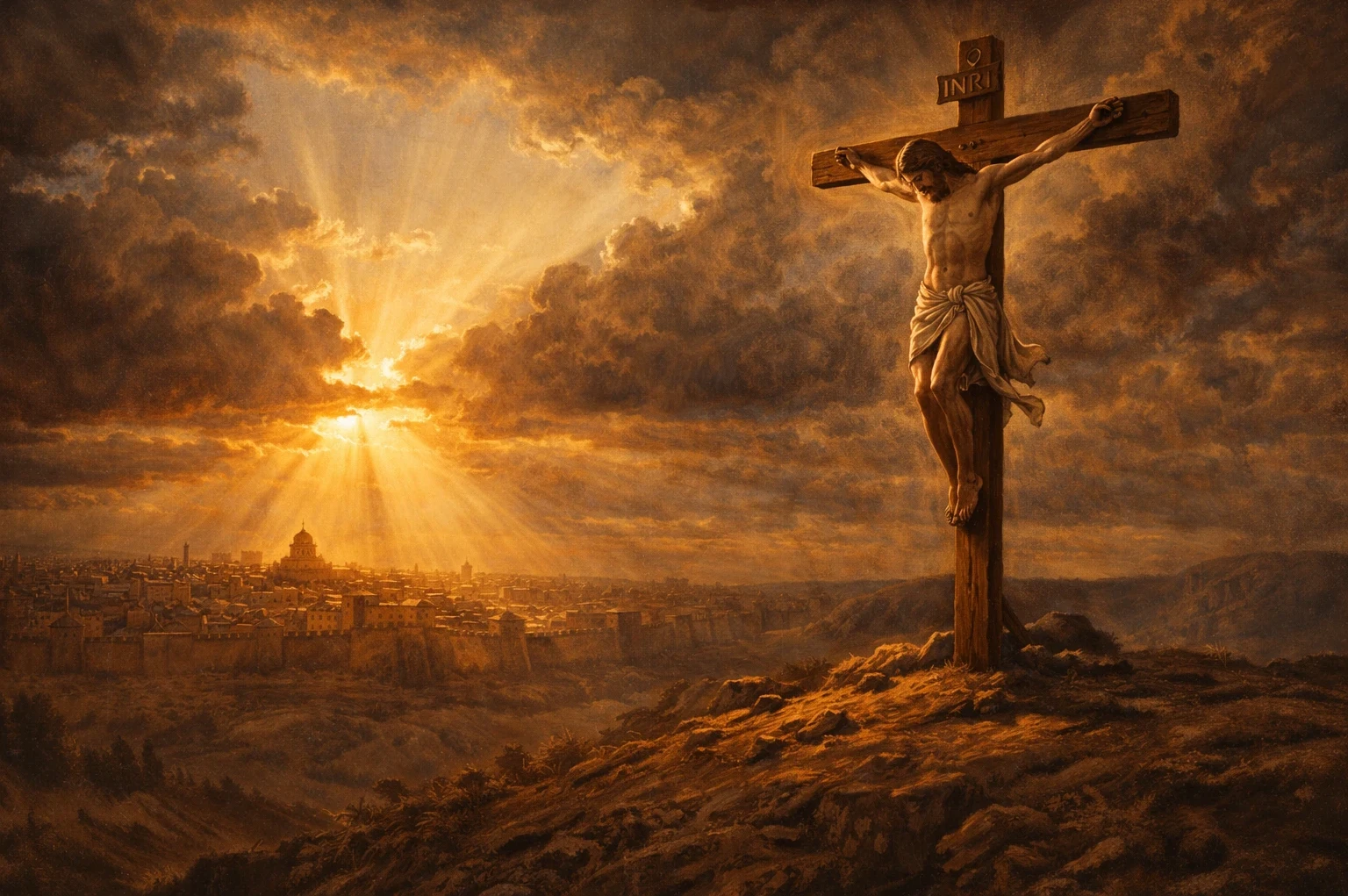
2. To Reveal God’s Love
God did not send a message—He sent His Son.
“For God so loved the world that He gave His only Son…” (John 3:16)
Jesus made God’s love visible. Now the apostles are sent to continue that mission.
3. To Be the Model of Holiness
Christ did not only save humanity; He showed humanity how to live.
“Love one another as I have loved you.”
The apostles are sent to continue this mission of forming disciples.
4. To Make Us Partakers of the Divine Nature
Early Christians called this divinization or theosis.
As St. Athanasius wrote:
“The Son of God became man so that we might become God.”
God did not merely want to forgive humanity. He wanted to adopt us into His divine life.
This happens through grace—and through the means Christ established to give that grace.
The Protestant Interpretation of John 20:23
Many Protestant commentators explain the passage this way:
- Only God forgives sins.
- Therefore apostles cannot forgive sins.
- The apostles simply proclaim the Gospel.
- Those who believe are forgiven.
- Those who reject remain in sin.
In this view, the apostles declare forgiveness, but do not administer it.
Catholics agree that God alone is the source of forgiveness.
The question is whether Christ chose to exercise His forgiveness through His apostles.
Problem #1: The Passage Never Mentions Preaching
If Jesus meant, “Those who believe your preaching are forgiven,” we would expect Him to say so.
But He does not.
Instead He says:
“If YOU forgive… If YOU retain…”
The apostles are the subject performing the action.
The language is direct and personal.
Problem #2: Retaining Sins Requires Judgment
Jesus adds:
“If you retain the sins of any, they are retained.”
This raises an important question:
How does a preacher decide when to retain someone’s sins?
The “preaching only” interpretation leaves no role for discernment. Yet Jesus clearly gives the apostles authority to both forgive and retain sins.
This implies:
- Judgment
- Discernment
- Knowledge of sin
Which naturally points toward confession.
Problem #3: The Gift of the Holy Spirit
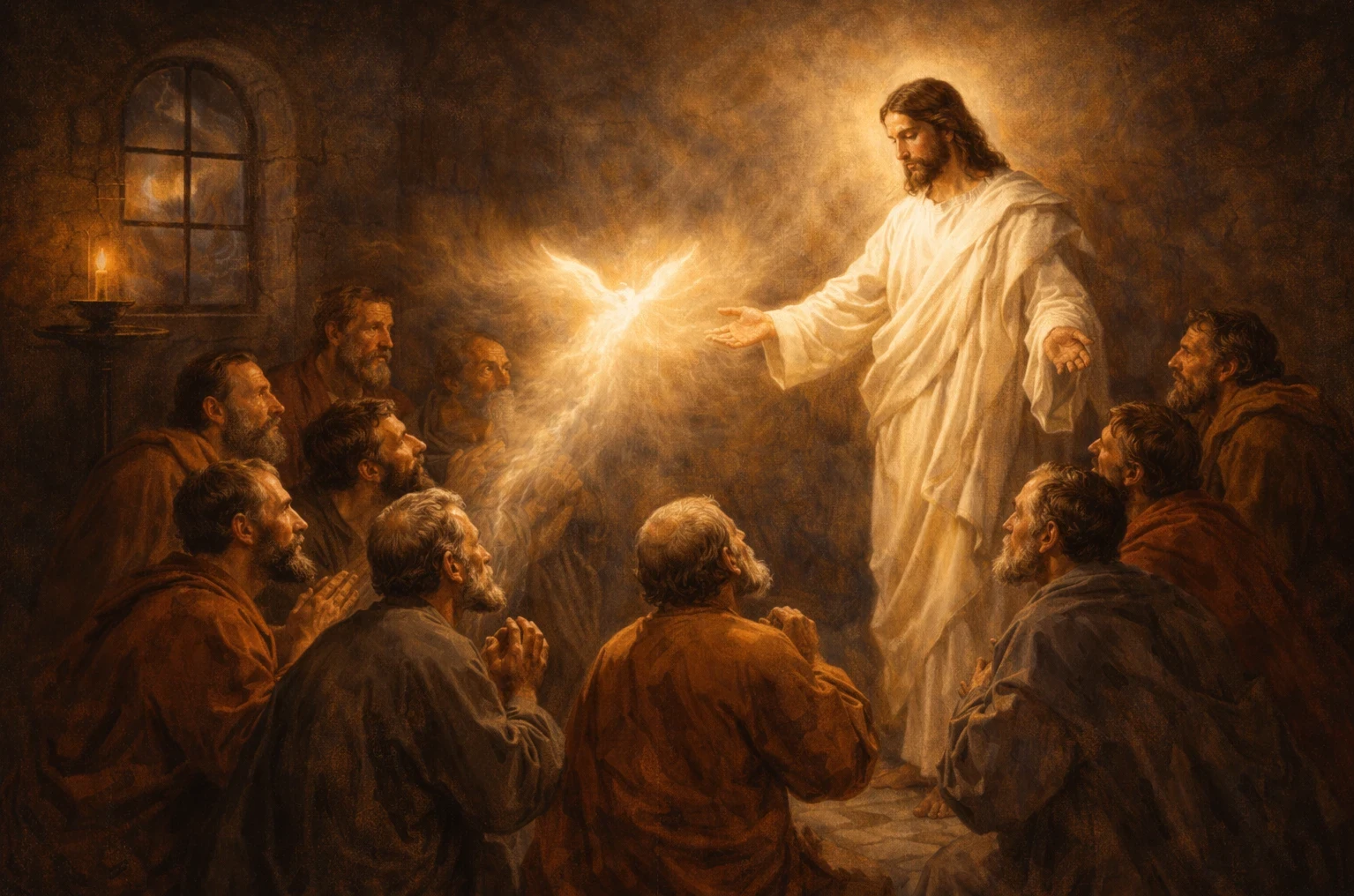
Jesus breathes on the apostles—an intentional echo of Genesis 2:7.
This is a new creation moment.
It would be strange if this dramatic act resulted in nothing more than a general command to preach.
Something unique and sacramental is happening.
Problem #4: The Parallel with Jesus’ Mission
Jesus had authority to forgive sins:
- Mark 2:5 — “Your sins are forgiven.”
- Luke 7:48 — “Your sins are forgiven.”
The crowds asked:
“Who can forgive sins but God alone?”
Exactly.
Then Jesus says:
“As the Father sent Me, I send you.”
He is passing on His mission of reconciliation.
How the Early Christians Understood This Passage
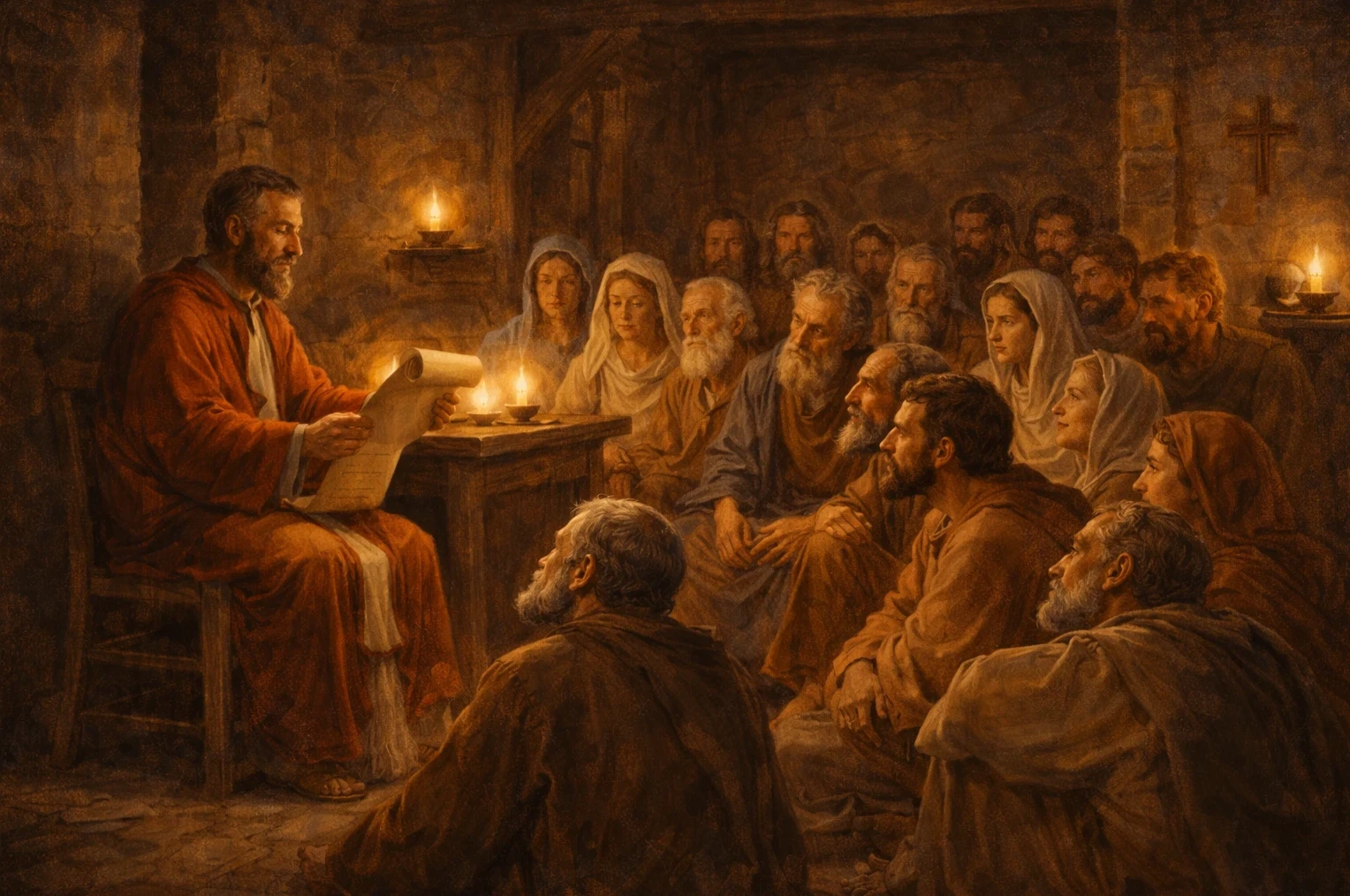
The earliest Christians consistently interpreted John 20:23 as real authority to forgive sins.
Examples include:
- The Didache (1st century): confession within the Church
- Tertullian (AD 200): confession to Church leaders
- St. Cyprian (AD 250): priests forgiving sins in Christ’s name
- St. Augustine (AD 400): the Church exercising John 20 authority
This understanding appears immediately after the apostolic era and continues universally.
The Ministry of Reconciliation
St. Paul later writes:
“God… gave us the ministry of reconciliation.”
— 2 Corinthians 5:18
John 20 shows when that ministry began.
Do Priests Forgive Sins Instead of God?
No.
Catholic teaching is clear:
- God is the source of forgiveness
- Christ won forgiveness on the Cross
- The Holy Spirit applies forgiveness
- Priests act as instruments of Christ
God often works through visible means:
- Baptism for new life
- Scripture for teaching
- Preaching for faith
- Ministers for reconciliation
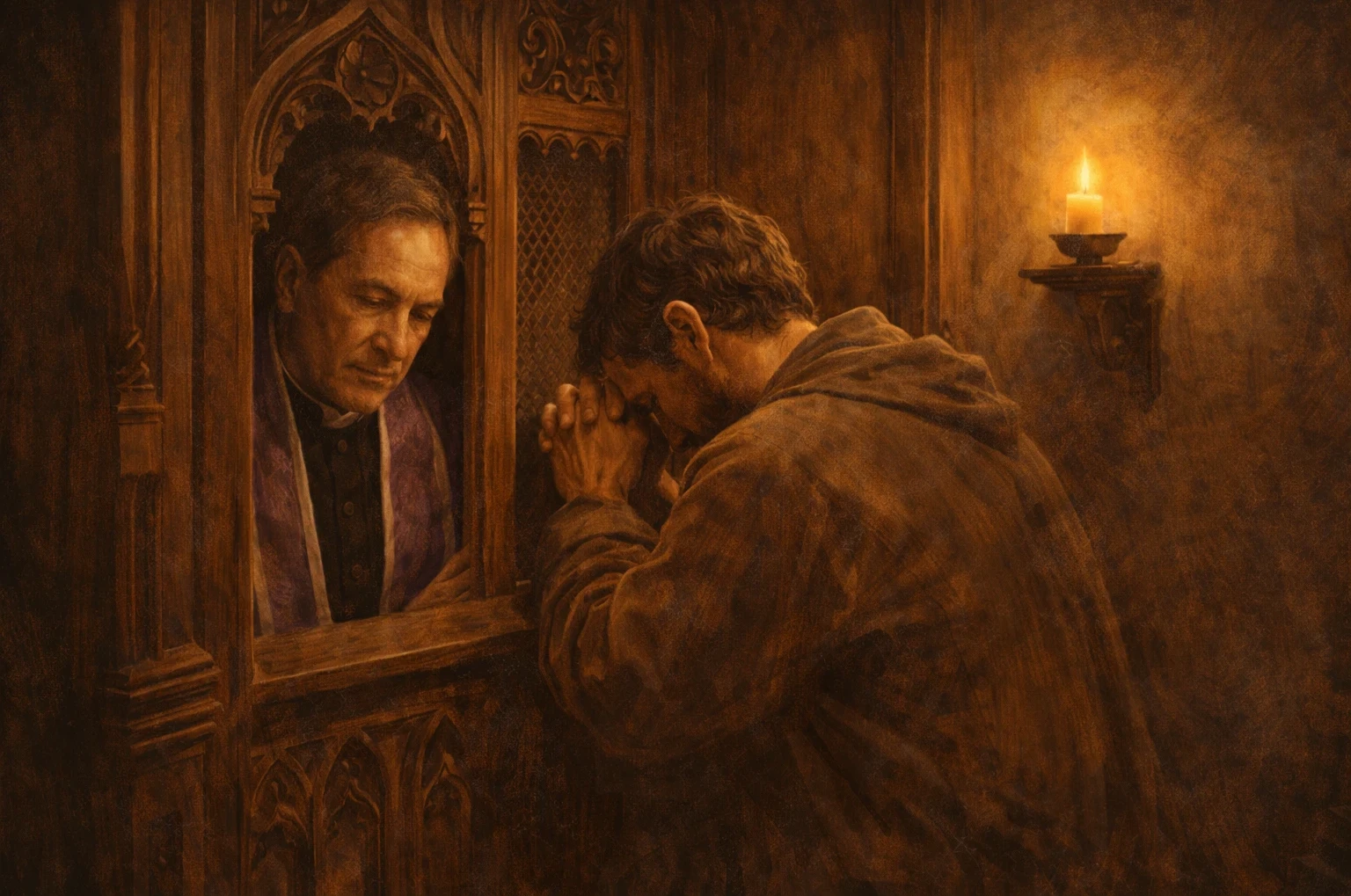
Confession fits this biblical pattern.
Conclusion
The idea that John 20:23 refers only to preaching struggles to explain:
- The grammar of the passage
- The authority to retain sins
- The giving of the Holy Spirit
- The parallel with Jesus’ mission
- The testimony of early Christians
The historic Christian understanding fits the text naturally:
Christ entrusted His apostles with a real role in bringing God’s forgiveness to the world.
And that mission continues today.
Other suggested Readings:
- Apostolic Succession: What The Bible Really Says About Church Authority
- How The Early Church Understood Itself: Apostolic Authority And Spiritual Unity In The Writings Of The Fathers
- The Early Church: Basis of Belief
- Foundations Of The Early Christian Church: How It Was Catholic From The Start
- Who Are The Church Fathers
- Is Scripture Alone Enough? A Catholic Response To Sola Scriptura
- Why I Am Not A “Scripture Alone” Christian: A Catholic Response To Sola Scriptura