
Few accusations are repeated more confidently than this one:
“The Catholic Church removed the Second Commandment about graven images to justify statues, then split the Tenth Commandment to keep the number at ten.”
It sounds dramatic.
It sounds like historical corruption.
But it collapses under careful biblical and historical examination.
Let’s walk through the evidence — calmly, clearly, and thoroughly.
The Bible Lists Ten Commandments — But Does Not Number Them
The Ten Commandments are found in:
- Exodus 20:1–17
- Deuteronomy 5:6–21
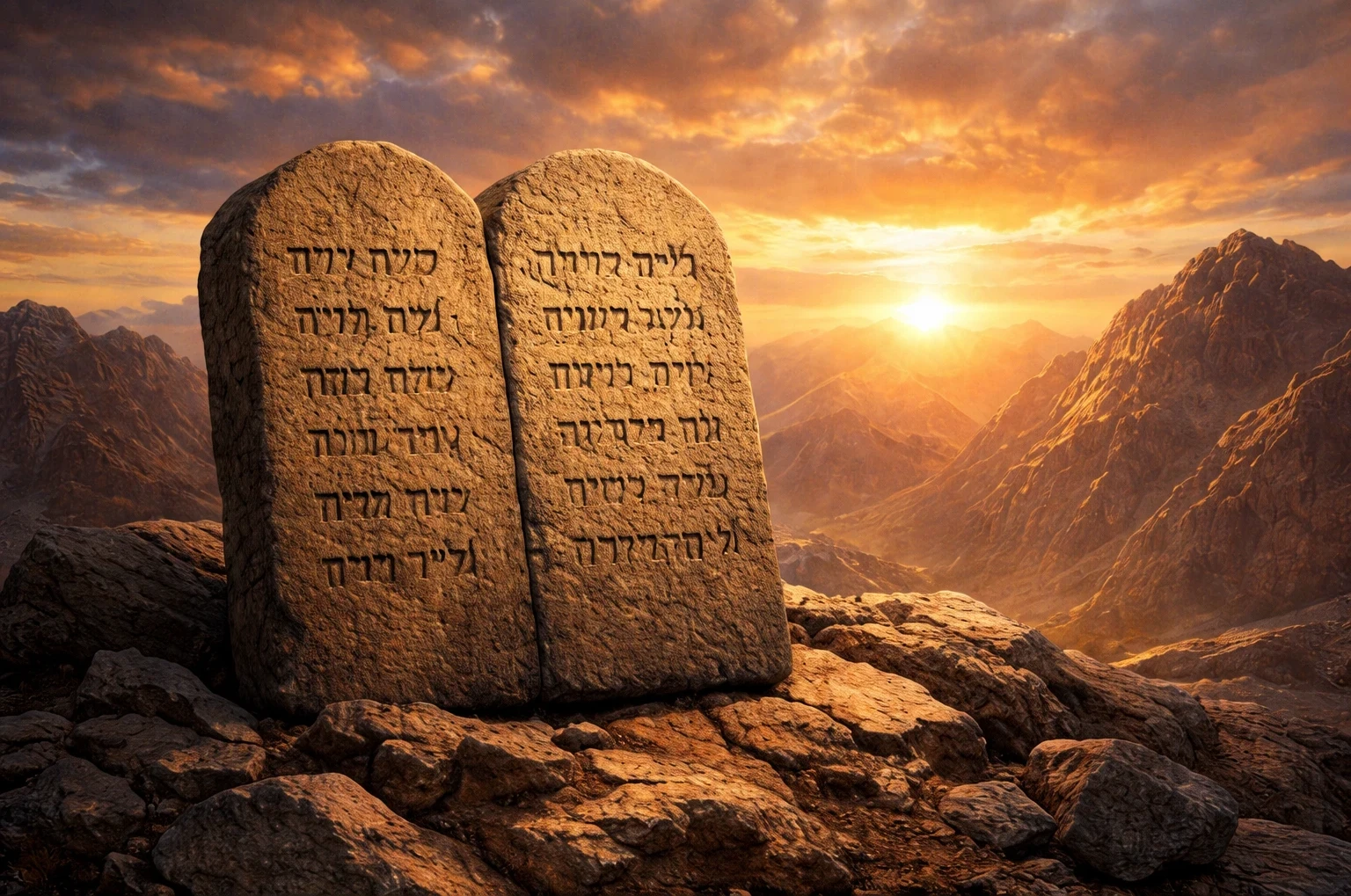
In Exodus 34:28, Scripture refers to them as the “ten words” (aseret ha-d’varim in Hebrew). But nowhere does the Bible assign them numerical labels like “First Commandment” or “Second Commandment.”
That means every Christian tradition must organize and number them.
And historically, Christians have done so differently.
This is the key starting point: the debate is about grouping, not removal.
The Catholic Numbering Is Ancient, Not Invented
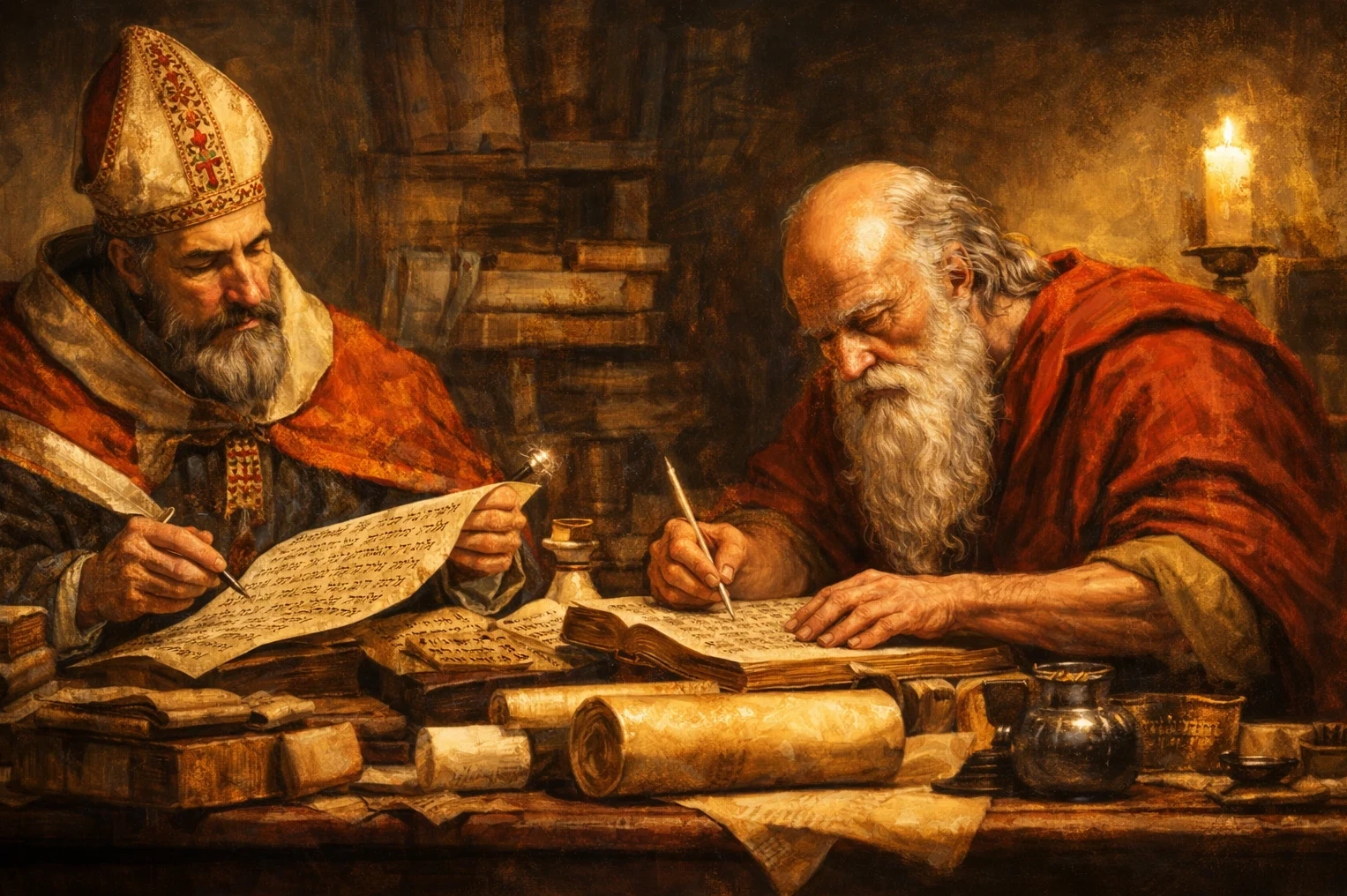
The Catholic Church follows the ancient Western numbering system articulated by:
- St. Augustine (354–430)
- St. Jerome (c. 342–420)
In this tradition:
- The prohibition of “graven images” is understood as part of the First Commandment.
- The Ninth and Tenth Commandments are separated.
This system was standard in Western Christianity for over a millennium before the Protestant Reformation.
It was not a reactionary move. It was inherited tradition.
Other Christian communities, including many Protestant groups and Eastern Orthodox Christians, use different numbering systems. But all affirm the full biblical text.
The difference is catechetical structure — not doctrinal deletion.
What Does the “Graven Images” Passage Actually Say?
The passage in question reads:
“You shall not make for yourself a carved image… You shall not bow down to them or serve them.” (Exodus 20:4–5)
Notice something critical:
The prohibition is not merely about creating an image. It is about making images and worshipping them as gods.
The entire context of Exodus 20 begins with:
“You shall have no other gods before me.”
The graven image prohibition expands on how false gods were commonly worshipped in the ancient world — through carved idols.
That is why the Catholic tradition sees it as part of the First Commandment: it specifies what idolatry looks like.
The Golden Calf: A Case Study in Idolatry
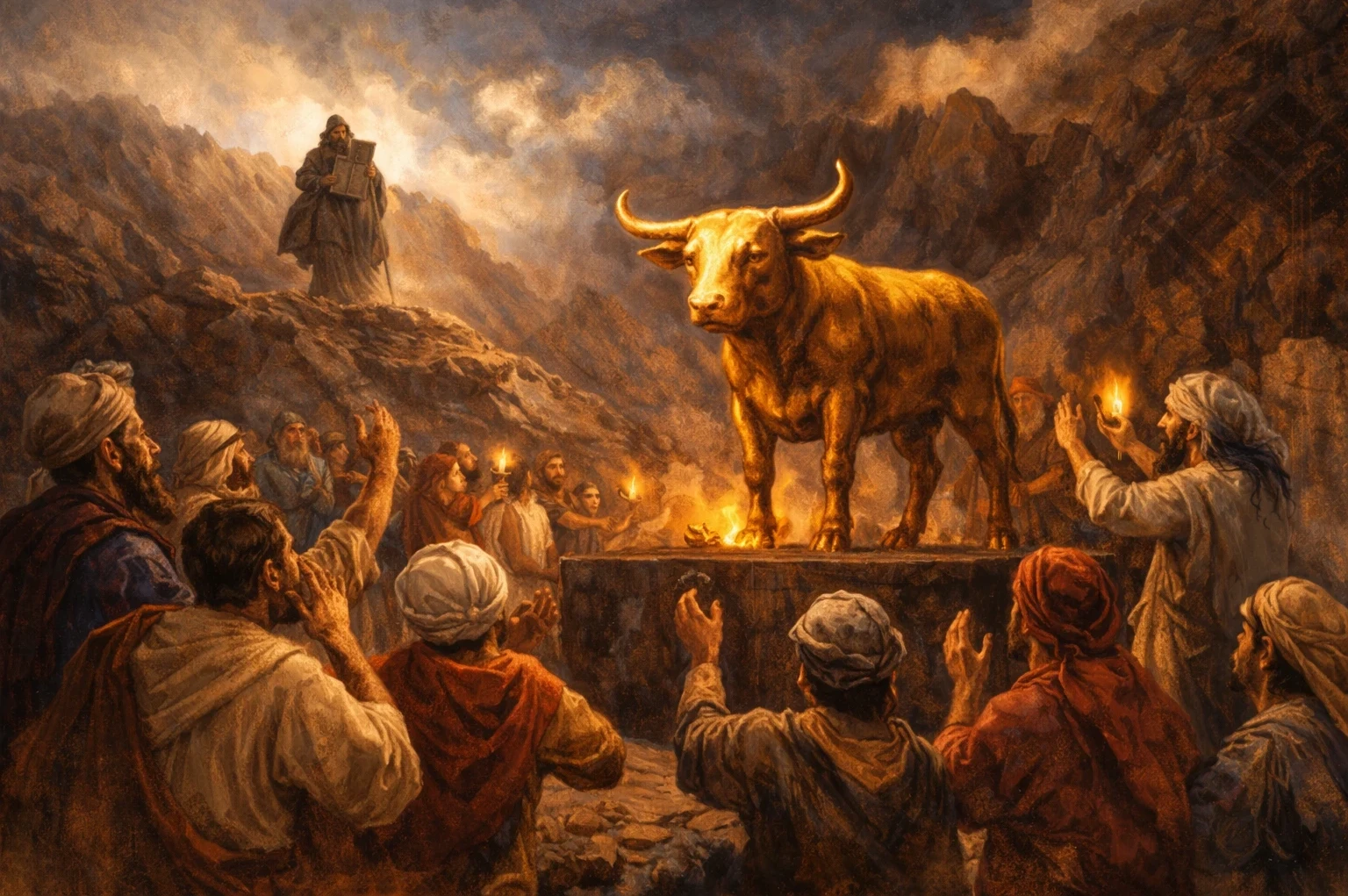
In Exodus 32, Israel constructs the golden calf.
What was their sin?
It wasn’t craftsmanship. It wasn’t artistic expression.
It was worship.
They declared:
“This is your god, O Israel.”
This is idolatry — attributing divine status to something created.
Theologians such as St. Thomas Aquinas explained that making and worshipping idols is not a separate moral category from false worship; it is a specific instance of violating the First Commandment.
The problem isn’t art. The problem is false worship.
If Images Are Always Forbidden, Why Did God Command Them?
This is often overlooked in debates.
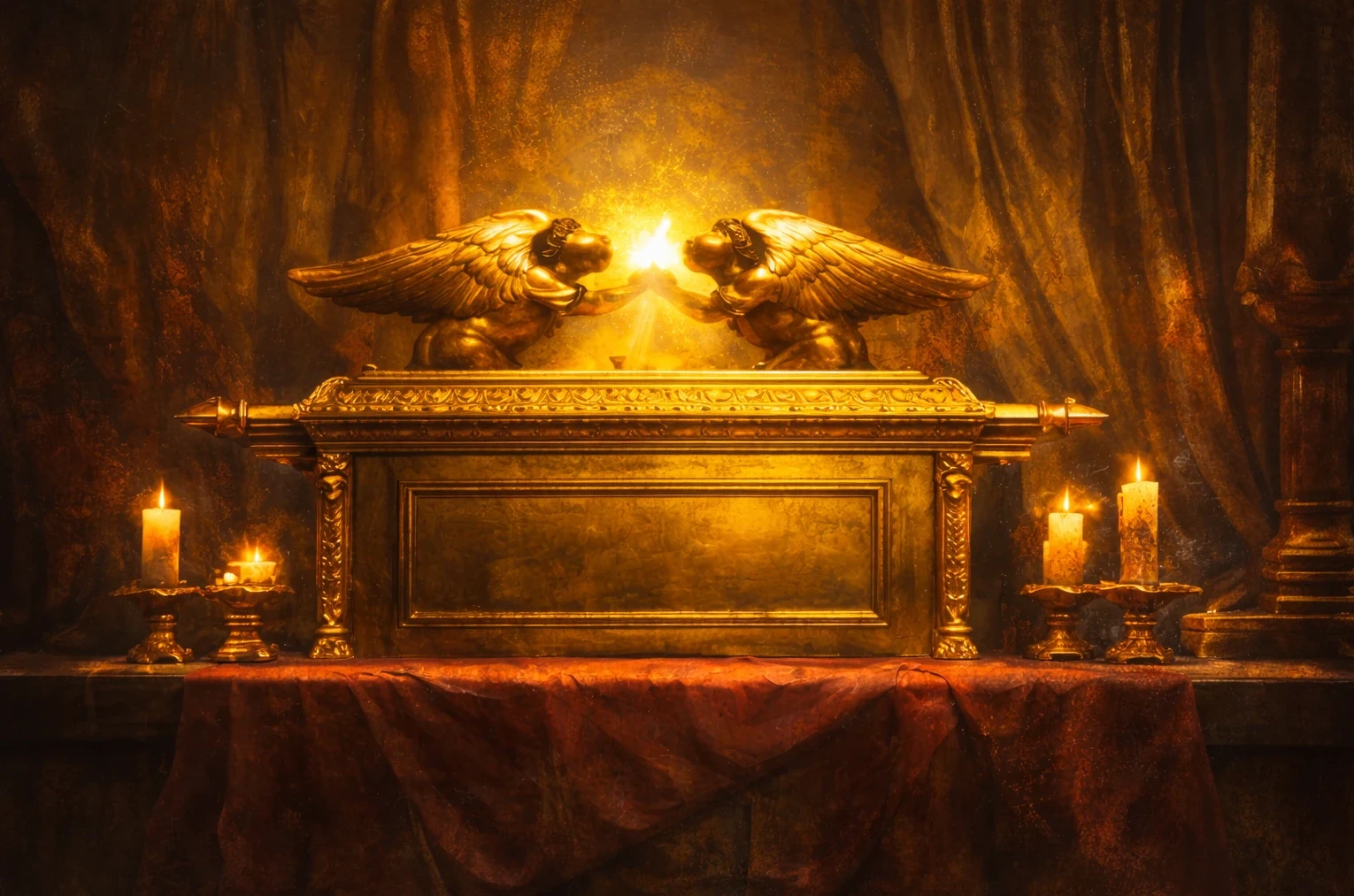
In Exodus 25:18–20, God commands the creation of cherubim for the Ark of the Covenant.
In 1 Kings 6–7, Solomon’s Temple contains carved angels, palm trees, and decorative imagery.
If making religious images were inherently sinful, God would not have commanded them.
The prohibition is clearly against idolatrous worship — not sacred art itself.
Veneration Is Not Idolatry
A central misunderstanding concerns the difference between worship and veneration.
Catholic theology distinguishes between:
- Latria — Worship given to God alone.
- Dulia — Honor given to saints.
- Hyperdulia — Unique honor given to Mary.
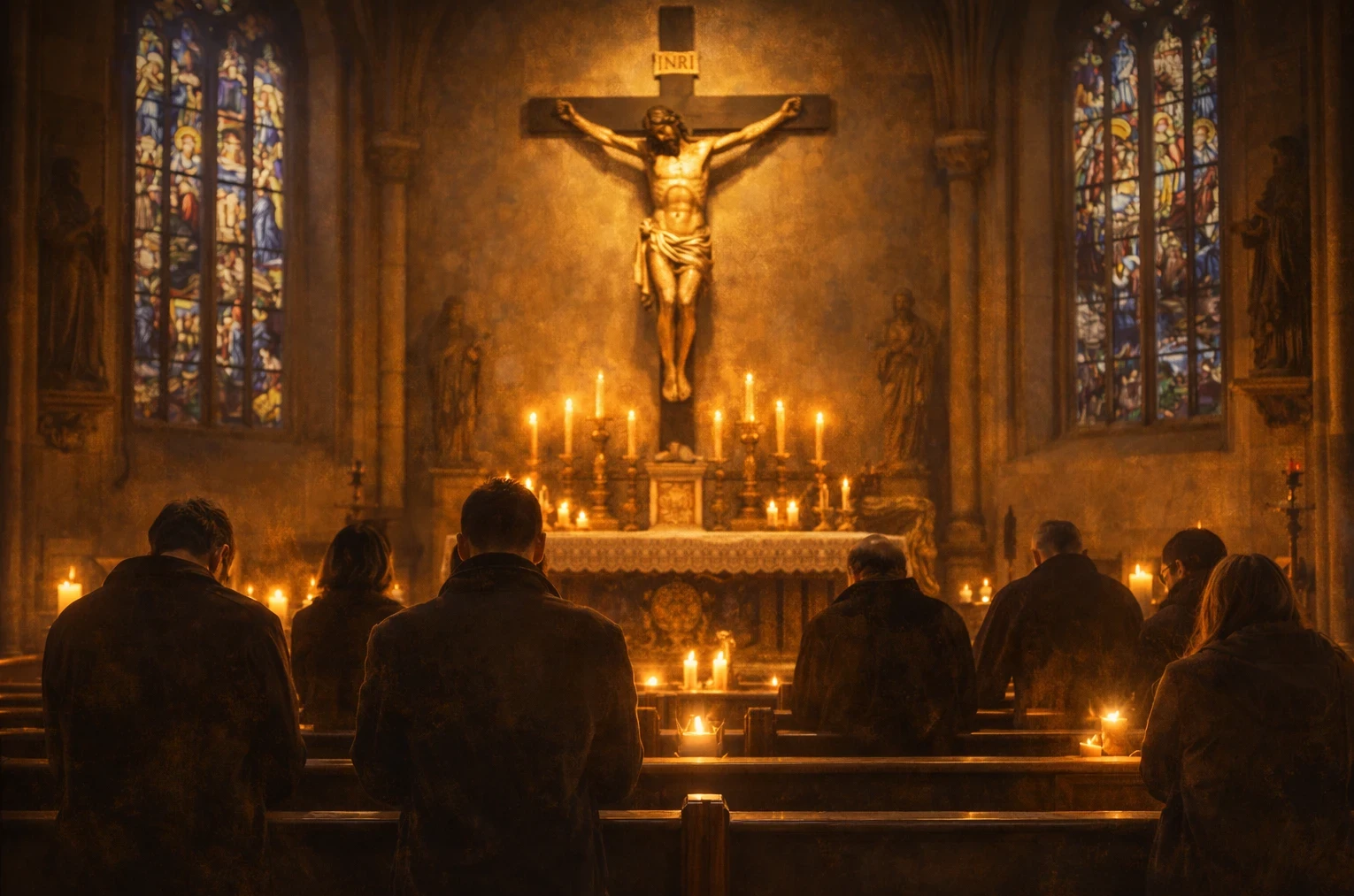
When a Catholic kneels before a crucifix, he is not worshipping wood. The honor passes to the person represented.
This distinction was defended during early icon controversies and reaffirmed at the Council of Trent during the Reformation.
The Catechism of the Catholic Church explicitly condemns idolatry while affirming sacred images as aids to devotion.
Without understanding this distinction, Catholic practice can appear suspicious.
With it, the accusation falls apart.
Why Do Catholics Separate the Ninth and Tenth Commandments?
The Catholic tradition separates:
- Ninth Commandment — You shall not covet your neighbor’s wife.
- Tenth Commandment — You shall not covet your neighbor’s goods.
Why?
Because Scripture distinguishes between interior sins of lust and interior sins of greed.
They are not morally identical.
Separating them highlights two distinct disorders of the heart:
- Disordered desire for a person.
- Disordered desire for possessions.
Other traditions combine these into one commandment.
Both derive from the same biblical text.
Again, this is a matter of catechetical emphasis — not manipulation.
Historical Controversies and Iconoclasm
It is true that Christianity has experienced intense debates over images.
Iconoclastic movements in the early Church argued for the destruction of sacred art. These debates show that the issue was taken seriously.
But even in those controversies, the Church distinguished between worship of idols and reverent use of sacred images.
The consistent condemnation was always directed at idolatry — not artistic representation.
Addressing Common Counterarguments
Some argue that integrating the graven image prohibition into the First Commandment obscures its importance.
But historically, it does the opposite.
It emphasizes that the core issue is exclusive worship of the one true God.
Others argue that differences in numbering reflect deeper doctrinal divisions.
But every major Christian tradition affirms:
- The full biblical text of Exodus 20.
- The condemnation of idolatry.
- The moral seriousness of covetousness.
The variations lie in how the commandments are grouped for teaching — not in what Scripture says.
Why This Matters Today
In an age saturated with digital imagery, celebrity culture, and material obsession, idolatry looks different — but it still exists.
Idolatry is anything we elevate above God.
Money can be an idol.
Status can be an idol.
Even ideology can be an idol.
The First Commandment remains profoundly relevant.
The Catholic Church has never weakened it. It has consistently defended it.
The Bottom Line
The Catholic Church did not remove the Second Commandment.
It follows an ancient numbering tradition that incorporates the prohibition of graven images within the First Commandment against false gods.
The biblical text remains intact.
Idolatry remains condemned.
Sacred art remains distinguished from false worship.
The debate is not about whether idolatry is wrong.
All Christians agree that it is.
The real question is whether honoring Christ and His saints through sacred art constitutes idolatry.
And historically, biblically, and theologically — it does not.